By Mahsa Najafi
September 25, 2026
Early childhood education forms the bedrock of a child's future, shaping cognitive, social, and emotional development. However, the landscape of early learning is experiencing a transitional period. According to a recent analysis by Child Trends, the federal government boosted funding to support early care and education (ECE) by $53 billion during the pandemic, but that specific financial infusion concluded in 2024. This significant shift leaves families wondering how to sustain high-quality early childhood environments. Supporting preschool services during this post-funding era requires deep commitment from educators and parents. Families are tasked with seeking robust programs that deliver consistent care without the safety net of temporary federal grants. This transition places the burden on local communities, but it opens doors to reimagining how we deliver early education. By focusing on sustainable models and evidence-based curricula, communities provide children with the foundation they need. Bolstering these essential programs ensures every young learner thrives, regardless of broader economic shifts.
Understanding the Impact of Reduced Federal Support
As pandemic-era financial support halts, sustaining quality education becomes complex. The removal of these funds means early childhood centers must reevaluate operational strategies. For parents, this shift emphasizes identifying facilities with a long-standing history of stability. Supporting robust preschool services means recognizing the inherent value these programs bring to local neighborhoods. When early education centers face budget constraints, they must find innovative ways to maintain low student-to-teacher ratios, retain highly qualified staff, and keep classrooms equipped with engaging learning materials. The sudden loss of pandemic funding leaves a gap, yet resilient educational centers are tightening operational efficiencies without sacrificing core values. This era demands a renewed focus on foundational educational principles rather than external financial boosts. Facilities employing a proven methodology are often better equipped to weather financial changes. They rely on their curriculum and certified teachers to deliver exceptional results. Understanding these dynamics helps parents make informed decisions about enrollment despite a changing landscape.
Navigating the Search for Quality Early Education
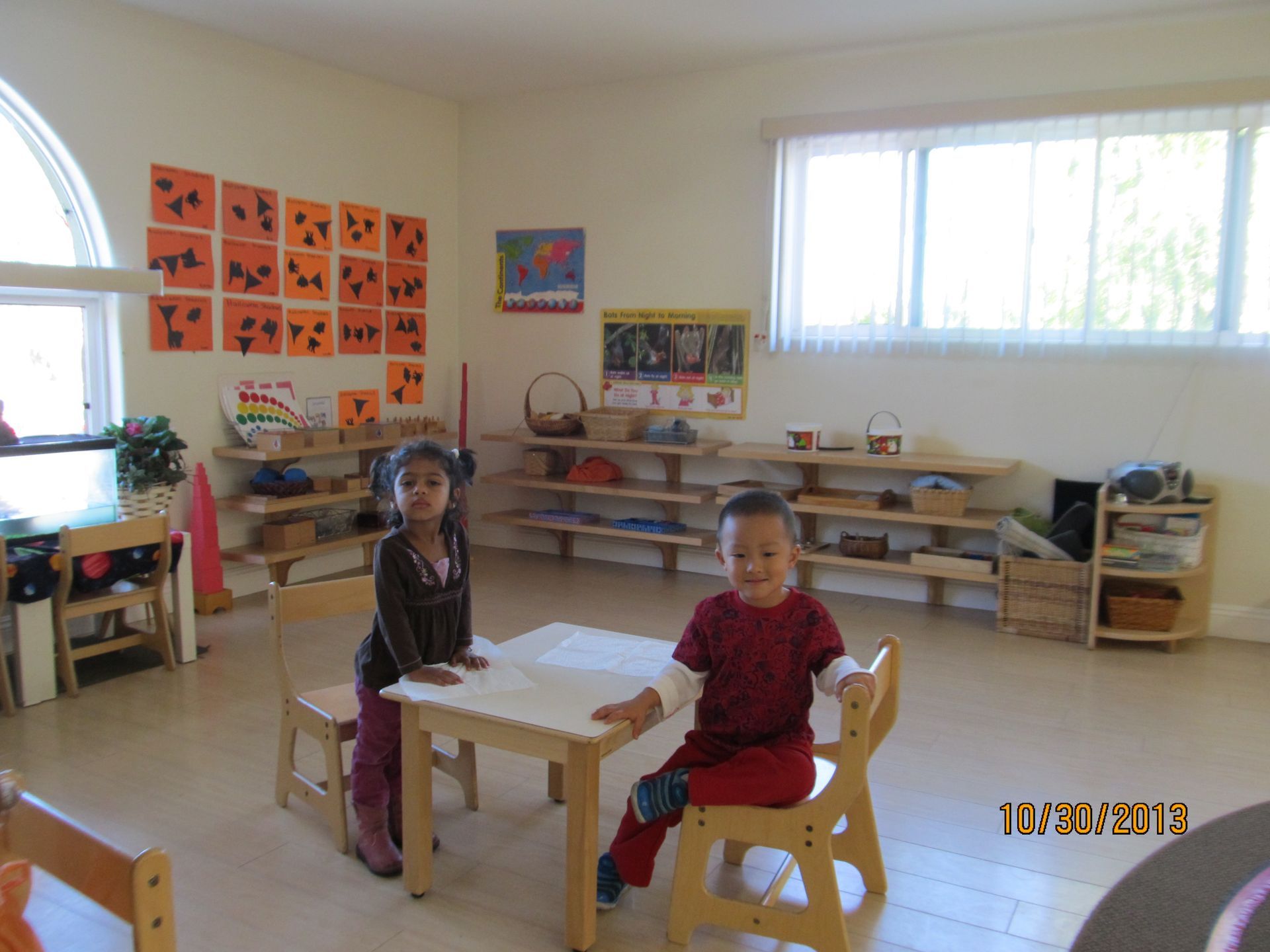
Finding the right environment for a young child can feel overwhelming when the educational landscape is shifting. Parents must look beyond the surface to find programs that genuinely nurture natural curiosity. It is essential to look for schools offering a comprehensive suite of options, such as a toddler program, a pre-primary program, and a primary program. This continuity of care allows children to grow within a familiar setting. When evaluating different preschool services, families should prioritize clean facilities, well-trained educators, and a structured curriculum. An authentic Montessori education provides a prepared environment where children engage in hands-on learning at their own pace, fostering lifelong independence. Furthermore, parents should consider the availability of supplementary care, such as a before- and after-school program, providing consistency for the child and convenience for working families. By thoroughly touring prospective schools, families can confidently choose an educational partner supporting their child's holistic growth.
Maximizing the Benefits of a Structured Curriculum
A strong educational foundation is built on a curriculum promoting both academic and social-emotional development. In a climate where financial resources for education may be tighter, the intrinsic value of a well-designed program becomes even more apparent. High-quality preschool services offer more than basic childcare; they provide a strategic approach to preparing children for future academic endeavors. Programs integrating hands-on discovery allow children to explore concepts deeply. For older children, a seamless transition into an elementary program ensures that early childhood skills are continually reinforced. The environment should be rich with purpose-built materials encouraging problem-solving and critical thinking. Additionally, fostering a sense of community within the classroom helps children develop vital interpersonal skills, such as empathy and cooperation. Schools maintaining a steadfast dedication to these core educational values deliver exceptional outcomes, proving that the true strength of a program lies in its pedagogical approach. This intentional learning shapes capable, confident individuals.
Fostering Consistency Through Comprehensive Care Options
Consistency is a crucial element in a young child's life, providing the security they need to confidently explore the world. Educational facilities offering a wide array of programs can provide this essential stability. A robust daycare offering ensures even the youngest learners are immersed in a nurturing environment early on. As they grow, participating in a comprehensive summer program prevents seasonal learning loss and keeps children engaged year-round. Ensuring continuous access to reliable preschool services helps families maintain a steady routine, highly beneficial for psychological well-being. Furthermore, schools thoughtfully providing nutritious lunches and snacks demonstrate a holistic approach to child care, acknowledging that physical health connects to cognitive development. When a single institution caters to a child's needs from infancy through early elementary years, it creates a powerful bond. This long-term relationship allows teachers to deeply understand each child's unique learning style, resulting in a highly personalized educational experience.
Building Strong Partnerships Between Parents and Educators
The success of early childhood education heavily relies on collaboration between home and classroom. In an era where external support structures fluctuate, the alliance between parents and teachers becomes the primary anchor for a child's educational journey. Open communication ensures parents are actively involved in their child's daily experiences. Exceptional preschool services prioritize this connection, offering regular updates and opportunities for classroom observation. Features like live classroom camera access provide parents with a window into their child's daily interactions and achievements. When educators and parents work in tandem, they seamlessly reinforce positive behaviors and learning concepts across both environments. This unified approach accelerates academic progress and provides a cohesive support system, helping children navigate social challenges. Cultivating a strong, collaborative community allows schools to create an enriching atmosphere transcending financial limitations, proving that dedicated human capital and shared goals remain the most vital resources in early childhood development.
Investing in the Future of Our Communities
Supporting early learners is not merely an individual family endeavor; it is a profound investment in the collective future of a community. Children receiving high-quality early education are more likely to succeed academically and grow into capable adults. Therefore, prioritizing top-tier preschool services is a crucial community imperative. Even as federal funding landscapes shift, the fundamental need for nurturing early environments remains constant. Local, family-owned schools often embody this community spirit, bringing personal investment to their educational offerings. By enrolling children in programs prioritizing holistic development, families actively contribute to a culture that values education. Moreover, schools offering diverse services, from a specialized toddler program to an engaging after-school program, serve as essential pillars of support for working parents. Ultimately, dedicating time and energy to early childhood education ensures that the next generation is equipped with the curiosity and knowledge required to face tomorrow's challenges with confidence.
Navigating the complexities of the post-funding era in early education requires diligence and a steadfast commitment to quality. As temporary financial supports fade, the focus must shift entirely to the inherent strengths of proven educational models and dedicated teaching staff. From the initial stages of a nurturing daycare to the advanced learning of an elementary program, the continuity of exceptional care is paramount for optimal child development. Families must seek out institutions offering comprehensive solutions, including a structured primary program and an engaging summer program, ensuring children receive uninterrupted, high-quality education. Emphasizing the importance of reliable preschool services guarantees that young minds continue to receive the specialized attention they deserve. By prioritizing consistent, holistic, and community-focused educational approaches, parents secure a bright and promising future for their children. To discover more about how our programs can support your child's developmental journey, please contact Kid's Town Montessori School.