Choosing the right early learning environment is one of the most important decisions a parent can make. The foundation built during these early years influences not only academic readiness but also emotional, social, and cognitive development. With so many options available, finding a local preschool that aligns with your values, expectations, and your child’s unique needs can feel overwhelming. However, by focusing on a few essential factors, you can confidently select a program that supports your child’s growth and sets them up for long-term success.
Curriculum Quality
The curriculum is the backbone of any preschool experience, shaping how children learn, explore, and develop new skills. A strong program should offer a balanced approach that includes both structured learning and open-ended play. This allows children to build foundational skills while also fostering creativity and curiosity.
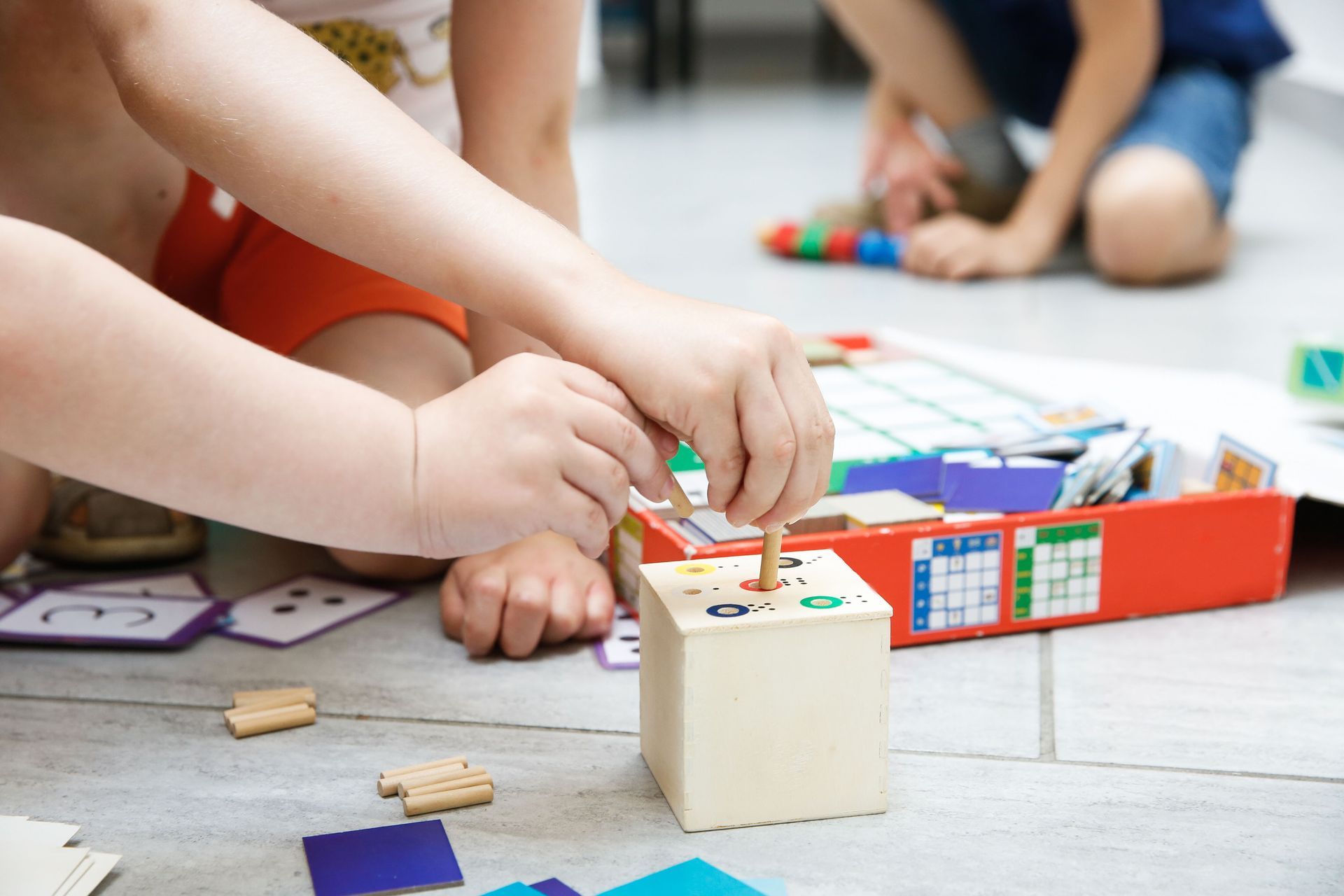
When evaluating a local preschool, look for programs that incorporate hands-on learning experiences. Activities such as storytelling, sensory play, art, music, and interactive games help children develop language, motor, and social skills naturally and engagingly. These experiences also make learning enjoyable, which can create a positive association with education early on.
A well-rounded curriculum should introduce early literacy and math concepts without placing unnecessary pressure on children. Instead of rigid instruction, effective programs weave these skills into daily activities, allowing children to learn organically. Exposure to books, counting games, and simple problem-solving tasks can lay a strong foundation for future academic success.
Additionally, consider whether the curriculum adapts to different learning styles. Every child is unique, and a flexible program that accommodates various strengths and interests can help each child thrive. A curriculum that encourages curiosity and exploration fosters independence and builds confidence in young learners.
Teacher Qualifications
The quality of teachers plays a central role in shaping your child’s preschool experience. Educators should not only have the appropriate certifications and training but also possess a genuine passion for working with young children. Their attitude, patience, and enthusiasm can significantly influence how children feel about learning.
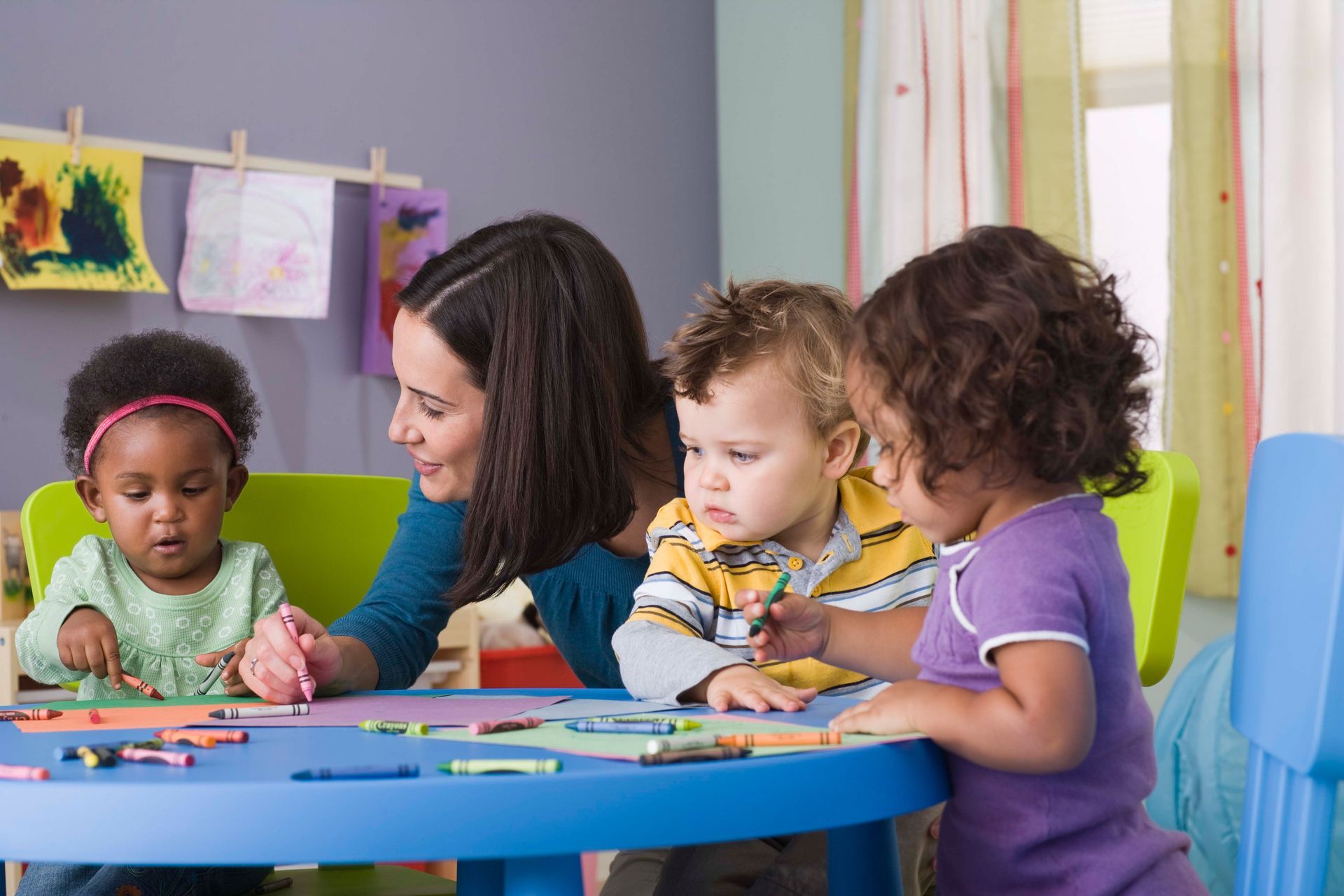
In a local preschool, observe how teachers interact with students. Do they speak at the child’s level? Are they attentive and responsive? Do they encourage participation and celebrate small achievements? These interactions provide insight into how nurturing and supportive the environment truly is.
Experienced teachers are also skilled at identifying developmental milestones and recognizing when a child may need additional support. They can adjust their teaching strategies to meet individual needs, ensuring that every child feels included and capable.
Ongoing professional development is another positive sign. Teachers who continue to learn and grow in their field are better equipped to bring fresh ideas and effective techniques into the classroom. This commitment to improvement reflects a dedication to providing high-quality education.
Learning Environment
The physical and emotional environment of a preschool has a direct impact on a child’s comfort and ability to learn. A welcoming space should feel safe, organized, and inviting, encouraging children to explore and engage with their surroundings.
Classrooms in a quality local preschool are typically designed with children in mind, featuring accessible materials, clearly defined activity areas, and visually appealing elements. Bright colors, educational displays, and interactive stations can spark curiosity and make the space feel engaging.
Safety should always be a top priority. Look for facilities with secure entry systems, proper supervision, and well-maintained equipment. Cleanliness is also essential, as it helps prevent the spread of illness and promotes a healthy environment for children.
Beyond physical safety, emotional safety is equally important. Children should feel comfortable expressing themselves without fear of judgment. A supportive atmosphere where kindness and respect are emphasized helps build confidence and encourages positive social interactions.
Outdoor spaces are another valuable component. Access to safe, supervised outdoor play areas allows children to develop physical coordination, burn energy, and enjoy fresh air. These experiences contribute to overall well-being and support healthy growth.
Class Size and Ratios
Class size and teacher-to-student ratios are key factors that can greatly influence your child’s preschool experience. Smaller class sizes often lead to more meaningful interactions and individualized attention.
In a local preschool with manageable group sizes, teachers can better understand each child’s personality, strengths, and areas for growth. This allows them to tailor their approach and provide support where it is needed most. Children are more likely to feel seen, heard, and valued in such environments.
Lower ratios also contribute to a calmer and more structured classroom. With fewer children to manage, teachers can maintain a positive atmosphere and address any issues promptly. This helps create a sense of stability and routine, which is especially important for young learners.
Additionally, smaller groups encourage stronger peer relationships. Children have more opportunities to interact, collaborate, and form friendships, which are essential for developing social skills and emotional intelligence.
Communication and Parent Involvement
Open and consistent communication between parents and educators is essential for a successful preschool experience. A strong partnership ensures that everyone is working toward the same goal: supporting the child’s growth and development.
A quality local preschool will keep parents informed through regular updates, whether through daily reports, newsletters, or meetings. These updates provide valuable insight into your child’s activities, progress, and overall experience.
Parent involvement is another important aspect to consider. Opportunities to participate in classroom activities, events, or volunteer programs can help you stay connected and engaged. This involvement also shows children that their education is important and valued by their family.
Clear communication builds trust and fosters collaboration. When parents feel comfortable discussing concerns or asking questions, it creates a supportive environment where children can thrive. This partnership helps ensure consistency between home and school, reinforcing positive behaviors and learning experiences.
Developmental Focus
Early childhood is a critical period of growth, making it essential for preschool programs to focus on the whole child. While academic readiness is important, social, emotional, and physical development are equally vital.
According to Rasmussen, by age five, a child’s brain has already reached 90% of its physical adult size. This emphasizes the importance of choosing a local preschool that prioritizes comprehensive development during these formative years.
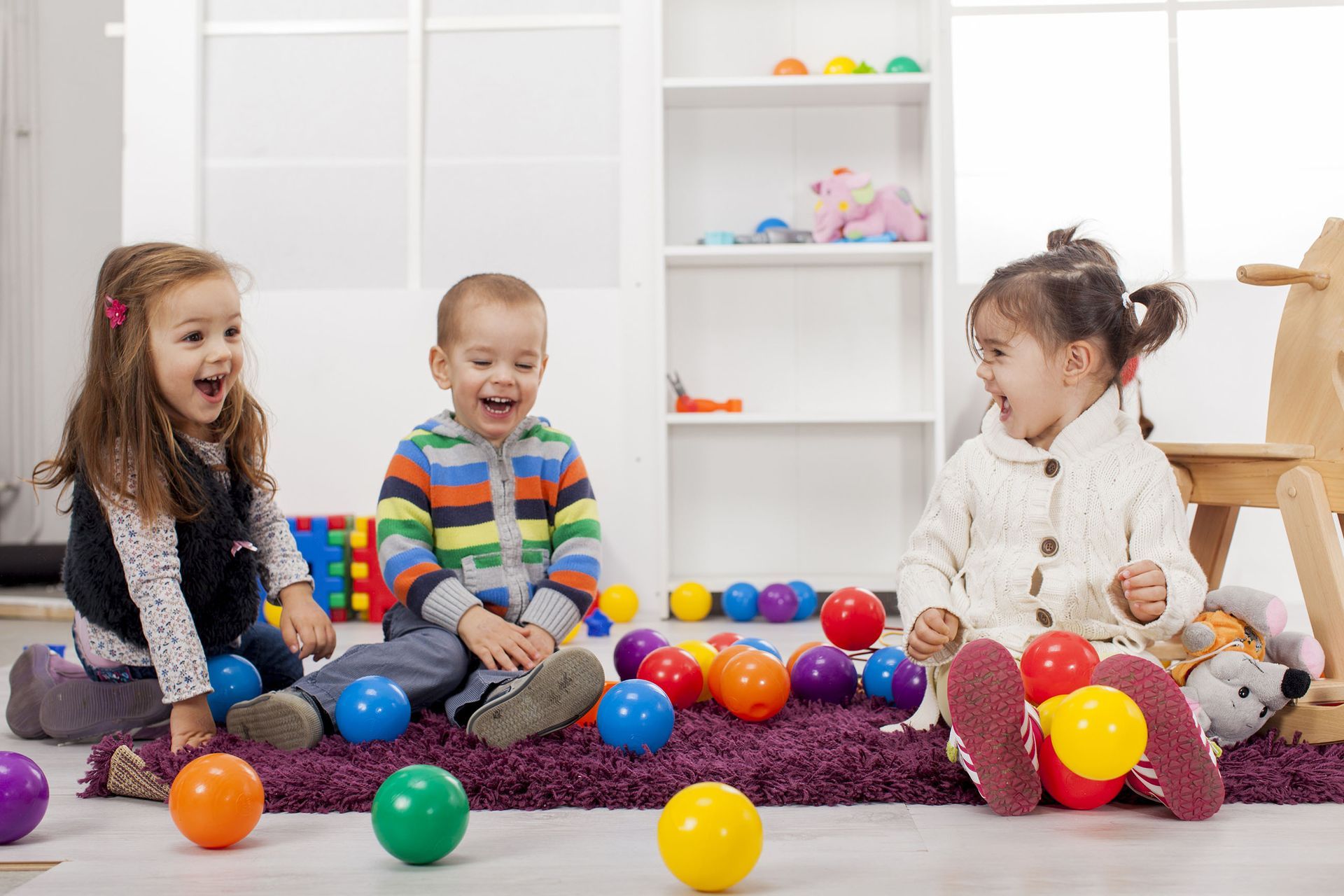
Programs that encourage social interaction help children learn how to communicate, share, and work together. These skills are fundamental for building relationships and navigating group settings. Emotional development is also supported through positive reinforcement, guidance, and opportunities for self-expression.
Physical development should not be overlooked. Activities that involve movement, coordination, and play help strengthen motor skills and promote overall health. Whether through outdoor play or structured activities, physical engagement is an essential part of a balanced program.
A well-rounded approach that addresses all areas of development ensures that children are prepared not only for academic success but also for life beyond the classroom.
Selecting the right preschool is about more than convenience; it is about finding a place where your child can grow, learn, and feel supported every day. By carefully evaluating factors such as curriculum quality, teacher qualifications, learning environment, class size, communication, and developmental focus, you can make an informed decision that benefits your child in the long run.
A thoughtfully chosen local preschool provides more than early education—it offers a strong foundation for confidence, curiosity, and lifelong learning. Taking the time to research your options, visit facilities, and ask questions will help ensure that your child’s first educational experience is both positive and meaningful.
At Kid’s Town Montessori School, we are dedicated to creating a nurturing and enriching environment where children can explore, learn, and grow with confidence. We believe in supporting every child’s unique journey while fostering independence, creativity, and a lifelong love of learning.