June 2, 2026
The transition from the intimate environment of the home to a more structured educational setting is one of the most significant milestones in early childhood. For many parents, the decision of when to begin this journey is fraught with both excitement and hesitation. It is a period marked by the rapid development of cognitive, emotional, and physical abilities, as young children begin to express a deeper curiosity about the world beyond their immediate family circle. Determining whether a child is ready for this leap involves more than just checking an age on a calendar; it requires a thoughtful assessment of their social readiness, their ability to follow routines, and their desire for peer interaction. This formative stage serves as the bridge between the foundational security provided by parents and the academic rigors of later schooling. By exploring the various indicators of readiness, families can make an informed choice that supports their child's unique developmental trajectory and fosters a lifelong love for learning.
Assessing Social And Emotional Readiness
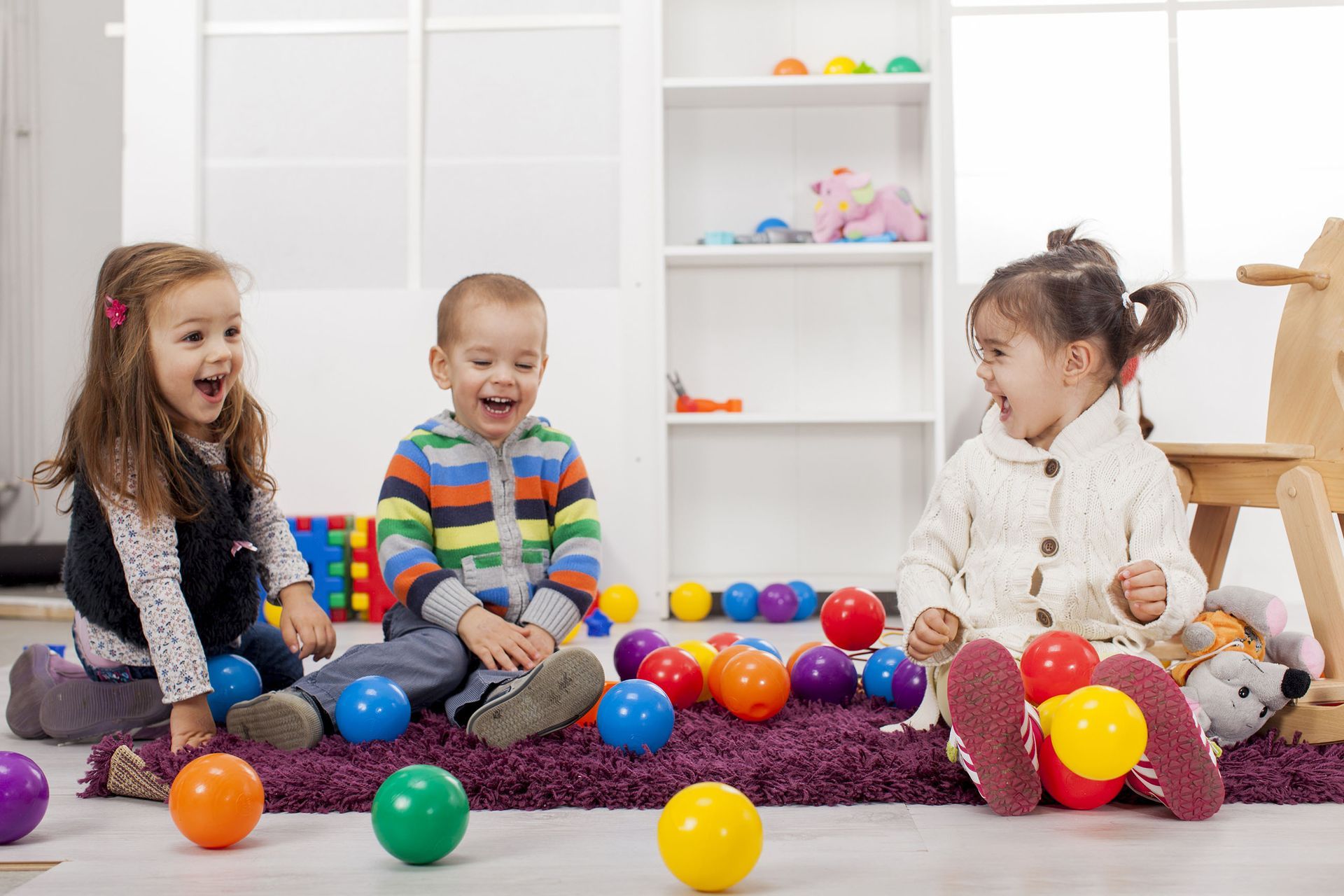
The ability to interact with others is a primary indicator that a child may be prepared for a classroom setting. Social readiness involves a child's capacity to share toys, take turns, and express their feelings with words rather than through physical outbursts. In a preschool environment, children are encouraged to navigate the complexities of group dynamics, which helps them build empathy and understanding. When a child begins to show interest in playing alongside or with other children at the park or during playdates, it suggests they are ready for the social stimulation provided by a structured program. Emotional maturity also plays a role, as children must learn to manage brief periods of separation from their primary caregivers. While a few tears at drop-off are natural, a child who shows an underlying curiosity about new environments and a budding sense of independence is often well-suited for the adventures of early education.
Evaluating Communication And Language Skills
Effective communication is the cornerstone of a successful early learning experience. Before entering a formal program, a child should ideally possess the ability to express basic needs and follow simple, multi-step instructions. This does not mean they must have a perfect grasp of grammar or an extensive vocabulary, but they should be able to make themselves understood by adults who are not their parents. A preschool curriculum focuses heavily on expanding these language skills through storytelling, singing, and collaborative play. If a child is starting to use longer sentences and shows an interest in the names of objects and the "why" behind how things work, they are likely ready to benefit from the rich linguistic environment of a classroom. Furthermore, being able to listen to a short story or engage in a brief conversation allows a child to participate fully in the group activities that define the daily schedule.
Monitoring Physical Independence And Self-Care
A certain level of physical autonomy makes the transition to a learning center much smoother for everyone involved. Most educators look for children who can manage basic tasks such as using the restroom with minimal assistance, washing their hands, and putting on their coat or shoes. These small acts of self-reliance contribute significantly to a child's confidence within the preschool setting. Beyond hygiene, physical readiness includes the gross motor skills needed to navigate a playground and the fine motor skills required to hold a crayon or use safety scissors. If a child is showing a desire to "do it myself" during daily routines at home, they are signaling that they are prepared to take on the responsibilities of a student. This independence allows the child to focus more on the joy of discovery rather than feeling frustrated by the mechanical aspects of their day.
Analyzing The Desire For Structure And Routine
Children often thrive when they know what to expect from their day, and a structured environment can provide a profound sense of security. If a child seems bored with the lack of variety at home or becomes restless without a planned activity, they might be ready for the rhythmic nature of an early childhood program. A typical day in a preschool includes a balance of quiet time, active play, meal intervals, and group learning. This predictability helps children develop a sense of time and responsibility. According to USA Facts, approximately 49% of 3- and 4-year-olds in the US are enrolled in preschool as of recent 2024–2025 data, reflecting a broad consensus among families that this structured start is beneficial. When a child demonstrates the ability to transition from one task to another without excessive distress, it is a strong sign that they will flourish under the guidance of a professional educator.
Observing Curiosity And Cognitive Engagement
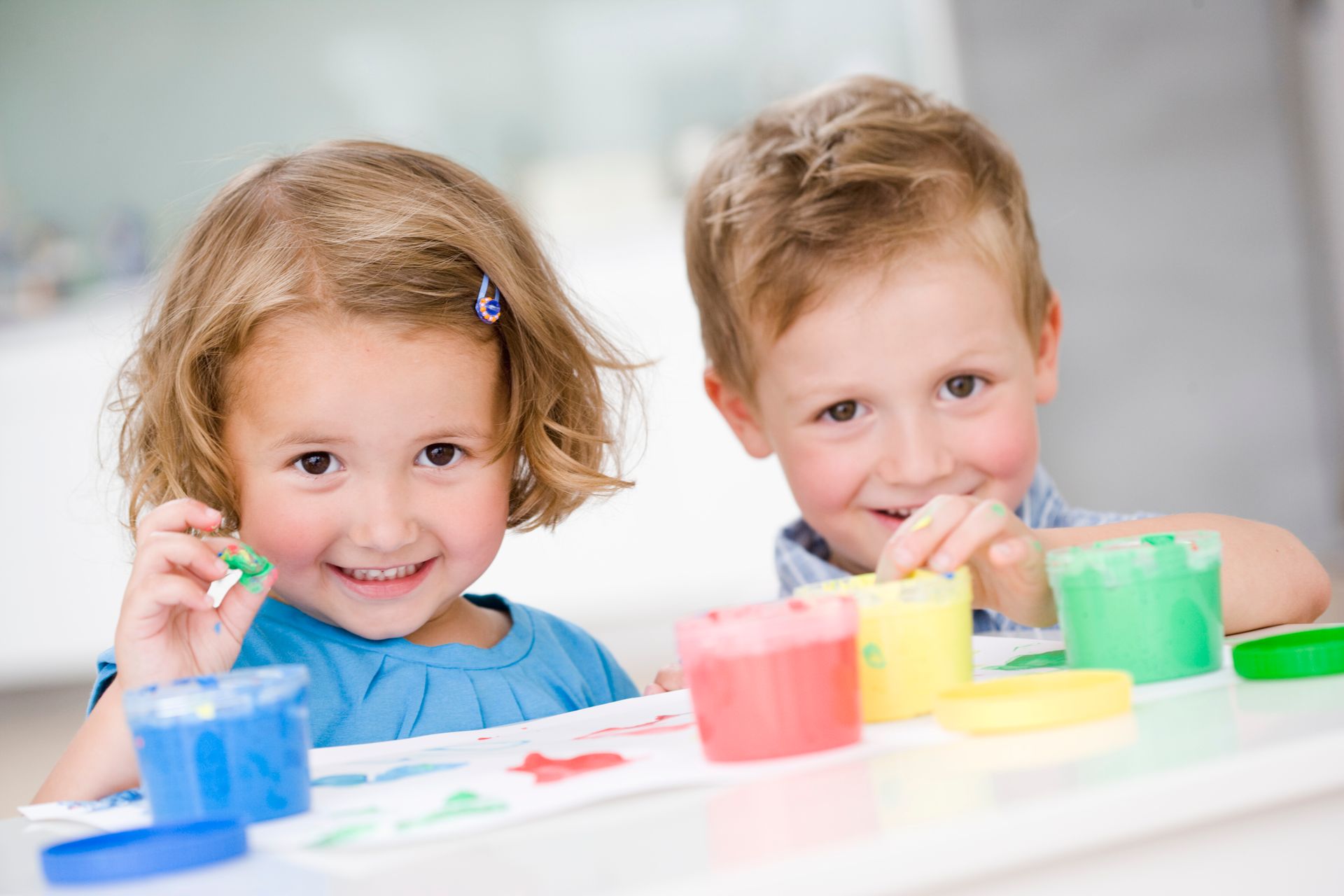
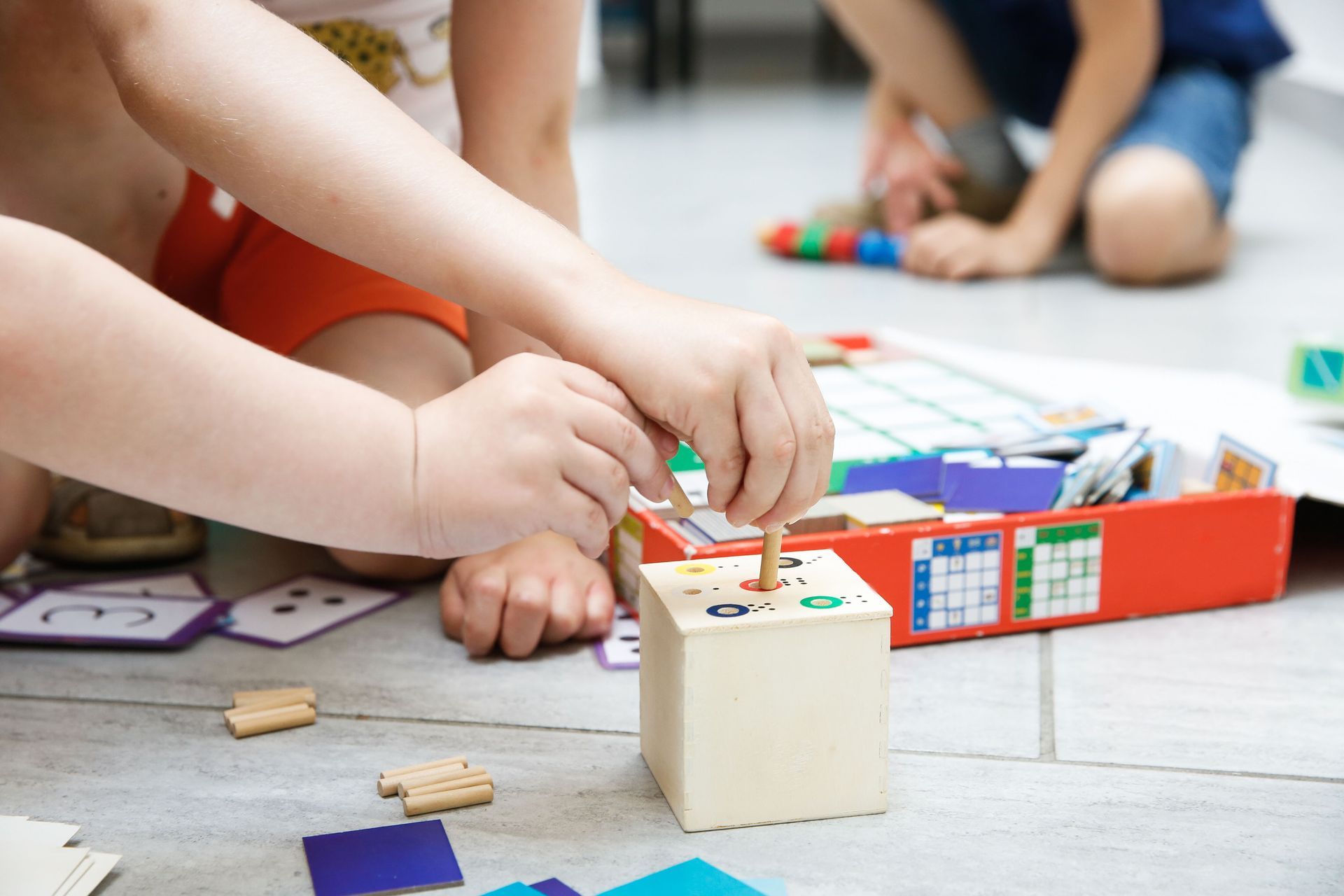
The spark of intellectual curiosity is perhaps the most rewarding sign of readiness to witness. As children grow, their play becomes more imaginative and their questions more complex. They begin to notice patterns, recognize colors, and perhaps even identify letters or numbers in their environment. A preschool provides the specialized materials and open-ended activities that can satisfy this hunger for knowledge. If a child is constantly seeking out new puzzles, asking for stories, or building intricate structures with blocks, they are likely ready for a more challenging environment. The classroom offers a variety of sensory experiences that are difficult to replicate at home, allowing children to experiment with different textures, sounds, and visual arts. This cognitive engagement is the foundation upon which future academic success is built, and recognizing this drive early can help parents provide the right resources at the right time.
Considering The Benefits Of Peer Interaction
While time spent with parents and siblings is invaluable, interacting with a diverse group of peers offers unique developmental advantages. In a group setting, children learn that others have different perspectives, feelings, and backgrounds. This exposure is vital for the development of tolerance and cooperation. A preschool acts as a small-scale society where children practice the art of negotiation and conflict resolution under the gentle supervision of trained teachers. If a child is an only child or has limited opportunities to engage with others their own age, the benefits of enrollment are even more pronounced. Being part of a peer group encourages children to try new things and take healthy risks, as they observe their friends tackling challenges and succeeding. This collective energy often motivates a child to step out of their comfort zone, leading to growth in areas where they might have otherwise remained hesitant.
The decision to enroll a child in an early learning program is a deeply personal one that depends on the specific needs of the child and the circumstances of the family. However, by paying close attention to the signs of social, emotional, and physical readiness, parents can feel confident in their choice. The journey into early education is not just about academic preparation; it is about providing a safe and nurturing space where a child can discover who they are and how they relate to the world around them.
We at Kid's Town Montessori School believe that every child possesses a natural spark of genius that deserves to be nurtured in a warm and stimulating environment. Our dedicated educators are committed to fostering independence, curiosity, and a deep respect for others through our specialized approach to early childhood development. We invite you to join our community and experience how our thoughtful curriculum can support your child's growth during these incredibly important formative years.